
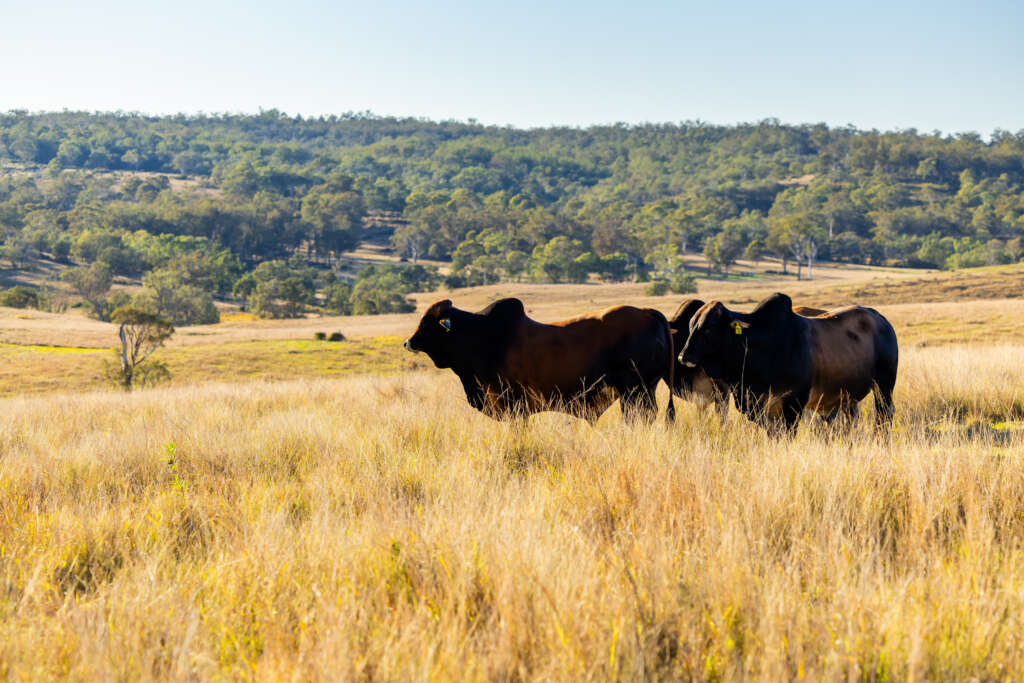
A recent trip to LambEx in Adelaide and property visits with thoughtful, curious and energetic people highlighted what change can be made in livestock production.
The sheep industry is unrecognisable from a few short decades ago. Those that prosper have embraced the science. These producers have extraordinary lambing rates, dual purpose animals and shedding sheep. Amongst this progress a constant theme remains, selecting animals adapted to their environment. These animals deal with their environmental stressors and still deliver. This is key to working towards an efficient and profitable livestock operation.
The broader outlook for the industry was extremely positive. The price of lamb is strong and expanding market opportunities are promising. What specifically stood out to us was the mindset of the producers we met and heard from. They were intensely profit focused, but not just in terms of dollars received per head.
Profitability was discussed in a broad sense, it was having the right animal for the right environment. It was matching the right product to the right market, managing animal health well, making better use of land, labour and continually improving the capacity of the business.
When it comes to LambPlan, lamb producers have been simply masterful. They have gone beyond narrow, vested interests and collectively work towards meaningful genetic gain. Focusing on what is going to lead the way to make positive change and ensure market suitability. The evolution of highly functional composite animals is a testament to what has worked maternally and making compounding genetic gains as a result.
The discussions around animal welfare were equally interesting. This is an industry that has faced very real pressures, from the phase-out of live sheep exports by sea to the ongoing debate around mulesing. There was an openness in the way these issues were discussed and a willingness to make decisions proactively. Producers were recognising the challenges clearly, dealing with the realities in front of them and considering how their businesses and industry could respond.
An out-of-industry address was from Mick Fanning. The three-time world champion surfer emphasised the value of being alert to the dangers lurking beneath. Now primary producers, or at least the landlocked ones have lurking shadows that manifest in the form of government regulation, climate impacts, disease threats and animal welfare issues. For us, these threats have every bit as much bite as a great white. Mick’s advice; remain alert and turn to face them all head on.
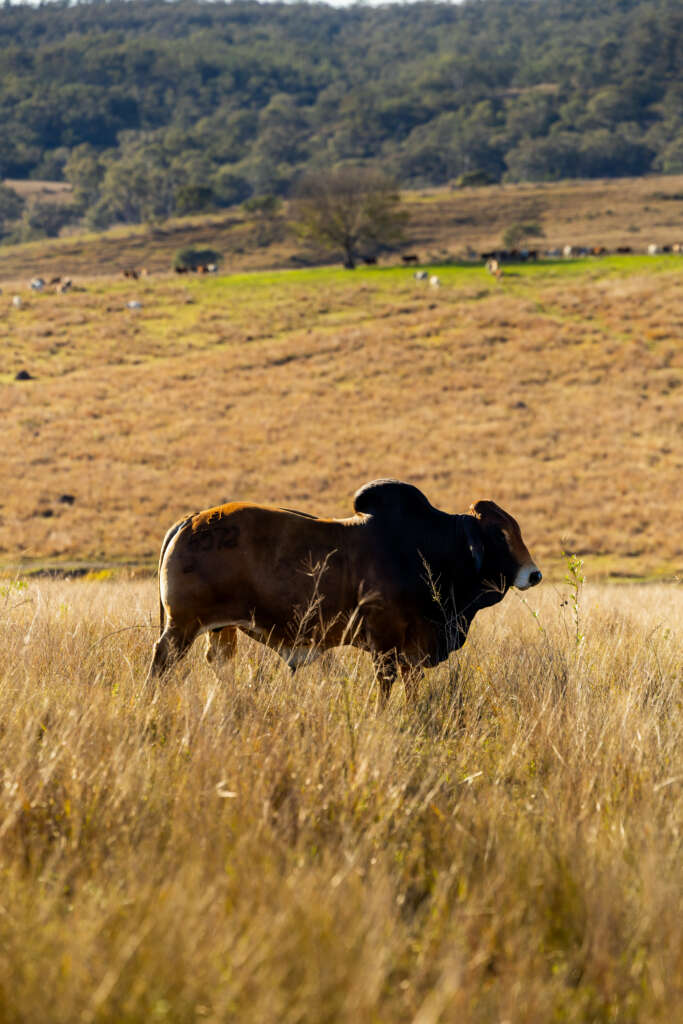
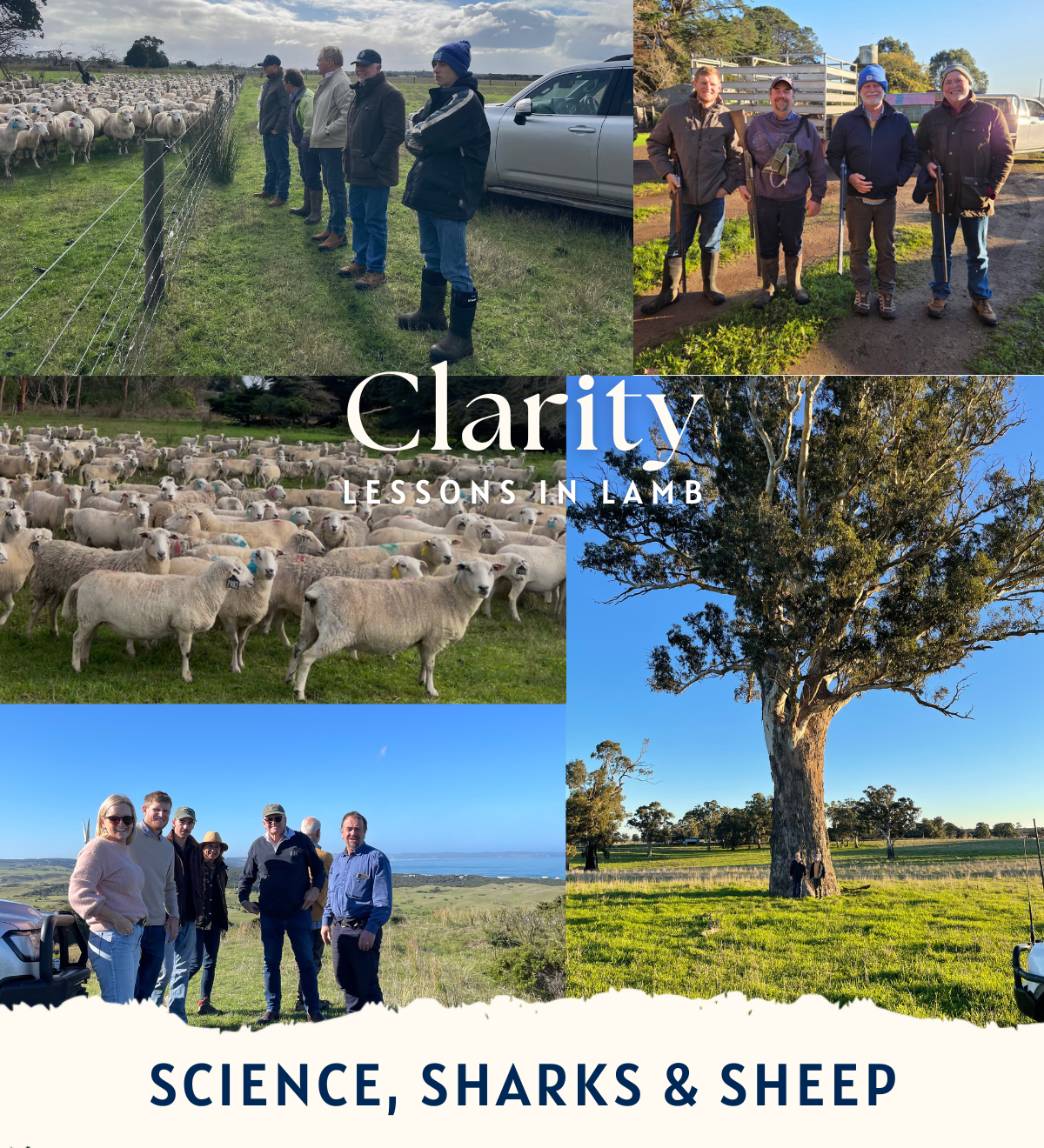

Copley Pastoral is a seedstock and commercial beef enterprise focused on fertility and profitability achieved through consistent management.
We have developed a fertile, adapted herd which produces bulls that perform in harsh environments across Northern Australia.
Copyright © Copley Pastoral 2024 – Website Designed by Digital Bazaar